
Advanced Java
Discover advanced Java concepts, courses, and tutorials. Learn what Java is, how to code in Java, and find Java programming courses and simple programs in Java.
Advanced Java
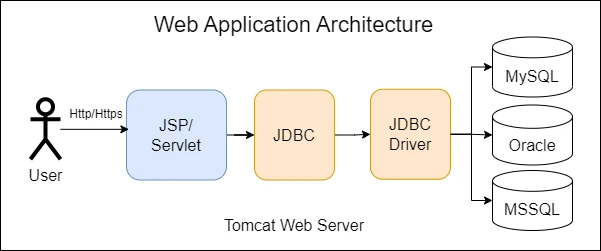
Advanced Java refers to the specialized areas of Java programming beyond the basics, focusing on complex and real-world applications. It encompasses technologies such as JDBC (Java Database Connectivity), Servlets and JSP (Java Server Pages). Advanced Java is used for building web applications, enterprise solutions, and distributed systems. It includes concepts like multithreading, networking, and design patterns, aiming to enhance the performance, scalability, and security of applications.
| Duration | 6 Weeks | Class Hours | 1 hour/day |
| Lab Hours | 1 hour/day | Prerequisite | Knowledge of Basic Java |
| Certificate | After successful completion of training | Trainer | Industry Experienced Mentor |
| Study Material | Books, Notes and Online Tests | Online Test | Unlimited |
| Project | Yes | Lectures In | English / Hinglish / Hindi |
| Fees | ₹ 6,000/- + 18% GST | Placement Support | No |
| Complimentary | T-Shirt | ||
About Advanced Java
Mastery of Advanced Java enables developers to create robust, high-performance applications and is essential for careers in software development, especially in backend and enterprise-level projects.Advanced Java focuses on advanced features and concepts that go beyond the basics covered in Core Java. This includes frameworks and technologies that are essential for enterprise-level application development.
Key Features of Advanced Java:
Enterprise Application Development
Learn to build scalable, secure, and robust enterprise applications using Java EE.
Web Services
Dive into creating and consuming RESTful and SOAP-based web services.
Advanced Database Interaction
Master database connectivity with JDBC and ORM frameworks.
Security
Implement security measures to protect Java applications from threats and vulnerabilities.
Complete Advanced Java Syllabus
13 Modules · 6 Weeks
The syllabus for Advanced Java covers a range of topics that build on the foundational knowledge of Core Java, delving into more complex and specialized areas.
-
- Basics of Networking
- TCP/UDP/IP Protocols
- Socket Programming
- Client-Server Programming
-
- Introduction to JDBC
- JDBC Drivers
- Database Connectivity
- Executing SQL Queries
- Transaction Handling
- Calling Stored Procedure and Functions
- Data Connection Pool
-
- Introduction to JSP and Servlets
- Servlet Lifecycle
- Handling Requests and Responses
- Session Tracking
- Using Cookies
- Filters and Listeners
- MVC Architecture in Web Applications
-
- HTML: Basics, Forms, and Elements
- JavaScript: Introduction, Functions, and DOM Manipulation
- CSS: Styling, Layouts, and Responsive Design
-
- Introduction to Server Configuration
- Configuring MySQL Database
- Setting Up Tomcat Server
- Deploying Applications on Tomcat
- Overview of JBoss Server
-
- Introduction
- Basics of Hibernate
- Configuring Hibernate
- Hibernate CRUD Operations
- HQL (Hibernate Query Language)
- Hibernate Transactions
-
- Introduction to Unit Testing
- Setting Up JUnit
- Writing Test Cases
- Assertions in JUnit
- Test Suites
- Mocking and Stubbing
-
- Introduction to Java Mail API
- Sending Emails with Java Mail
- Receiving Emails
- Handling Attachments
-
- Introduction to Resource Bundles
- Creating and Using Resource Bundles
- Internationalization Concepts
- Localizing Applications
- Handling Multiple Locales
-
- Introduction to Logging
- Configuring Log4j
- Log4j Levels and Appenders
- Writing Log Messages
- Managing Log Files
-
- Project Definition and Requirements
- Designing the Application
- Implementing Features Using Advanced Java Concepts
- Testing and Debugging
- Deployment and Presentation
-
- Best Practices in Java Development
- Performance Tuning and Optimization
- Security Considerations in Java Applications
-
- Summary of Advanced Java Concepts
- Best Practices for Enterprise Application Development
- Resources for Further Learning
This syllabus provides a comprehensive overview of Advanced Java, covering essential topics required for developing sophisticated and scalable Java applications.
Interesting Facts
Advanced Java extends the capabilities of the Core Java programming language, focusing on high-level applications and advanced concepts. Here are some interesting facts about Advanced Java:
1. Enterprise Application Development
Web Technologies
Advanced Java includes key web technologies like Servlets, JavaServer Pages (JSP), and JavaBeans, which are widely used in building dynamic and robust web applications.
Enterprise JavaBeans (EJB)
EJB is a server-side component that encapsulates the business logic of an application. It’s part of Java EE, enabling scalable and transactional enterprise-level applications.
Java EE Platform
Advanced Java forms a core part of the Java EE platform, which is designed for building and deploying large-scale enterprise applications. It provides APIs for web services, distributed computing, and other enterprise-level functionalities.
2. Frameworks and Libraries
Spring Framework
Spring is a comprehensive framework that simplifies the development of enterprise applications. It provides modules for dependency injection, AOP, MVC, and more, making it a preferred choice for many developers.
Hibernate
Hibernate is an ORM (Object-Relational Mapping) framework that simplifies database interactions in Java applications. It allows developers to map Java objects to database tables, making database operations more intuitive.
Struts
Struts is a framework for building web applications using the Model-View-Controller (MVC) design pattern. It provides a structured way to develop and maintain web applications.
3. Advanced Features
JMS (Java Message Service)
JMS provides a way for Java applications to create, send, receive, and read messages. It’s a key part of enterprise messaging systems, supporting asynchronous communication.
JavaMail API
The JavaMail API allows Java applications to send and receive email messages. It’s widely used in web applications for email notifications, newsletters, and more.
Java Authentication and Authorization Service (JAAS)
JAAS provides a framework for user authentication and authorization in Java applications. It’s crucial for implementing security in enterprise applications.
4. Performance and Optimization
Concurrency
Advanced Java includes features for multithreading and concurrency, allowing developers to build high-performance applications that can handle multiple tasks simultaneously.
JDBC Optimization
Java Database Connectivity (JDBC) in Advanced Java includes optimizations for database connections and transactions, ensuring efficient data handling and minimizing resource usage.
Memory Management
Advanced Java offers tools and techniques for fine-tuning memory management, such as controlling garbage collection and optimizing heap usage.
5. Industry Impact
Enterprise Adoption
Advanced Java is extensively used in enterprise environments, particularly in industries like banking, telecommunications, and retail, where reliability and scalability are critical.
Java EE in the Cloud
With the rise of cloud computing, Advanced Java technologies have evolved to support cloud-native development, enabling scalable, distributed applications that can run on cloud platforms like AWS and Azure.
Microservices Architecture
Advanced Java supports the development of microservices, allowing applications to be divided into smaller, independent services that can be deployed and managed separately.
6. Unique Aspects
Servlet Containers
Servlet containers like Apache Tomcat are a key component of Advanced Java. They manage the lifecycle of servlets and JSPs, ensuring efficient handling of HTTP requests and responses.
Java Naming and Directory Interface (JNDI)
JNDI allows Java applications to access directory and naming services, which is essential for resource management in enterprise applications.
Java EE Security API
Advanced Java includes security APIs that provide mechanisms for securing applications, including authentication, authorization, and secure communication.
7. Fun Facts
Java EE Branding
Java EE, previously known as J2EE, was rebranded as Jakarta EE after being handed over to the Eclipse Foundation by Oracle, reflecting its open-source future.
Enterprise Giants
Many of the world's largest companies, like IBM, SAP, and Oracle, heavily invest in and rely on Advanced Java for their enterprise solutions.
Community and Standards
Advanced Java has a large community of developers and is governed by standards that ensure its ongoing evolution and compatibility across platforms and vendors.
Training Program Fee
Get Personalized Career Guidance
Our admissions team specializes in helping students choose the right career path for their goals.