
HTML5
HTML5
HTML is the foundation of web development, it is the latest version of Hypertext Markup Language, which structures content on the web, and its enhancements enable more dynamic, interactive, and user-friendly web experiences. Mastery of HTML is essential for front-end development roles, which are in high demand across various industries.
| Duration | 1 Week | Class Hours | 1 hour/day |
| Lab Hours | 1 hour/day | Prerequisite | Basic knowledge of computer |
| Certificate | After successful completion of training | Trainer | Industry Experienced Mentor |
| Study Material | Books, Notes and Online Tests | Online Test | Unlimited |
| Project | No | Lectures In | English / Hinglish / Hindi |
| Fees | ₹ 3,000/- + 18% GST | Placement Support | No |
| Complimentary | T-Shirt | ||
About HTML5
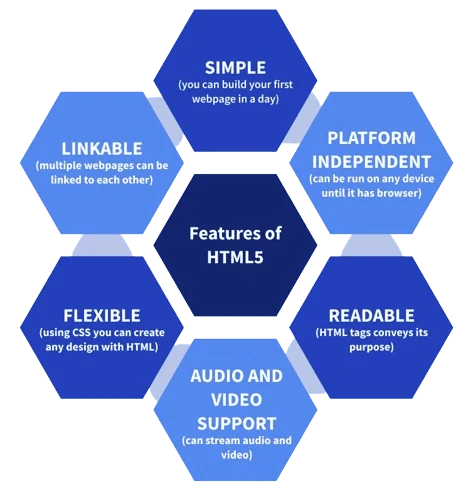
HTML5 introduces significant improvements like semantic elements, multimedia support without plugins, and enhanced APIs, which streamline the development process and improve website performance. Knowledge of HTML5 ensures that candidates can create responsive and accessible web applications, adhering to modern web standards.
Furthermore, HTML5's integration with other technologies like CSS3 and JavaScript is critical for developing comprehensive web solutions. Proficiency in HTML5 demonstrates a candidate's ability to build intuitive user interfaces and work effectively in web development teams, making them a valuable asset to employers seeking to enhance their online presence and user engagement.
Following Key Topics to Cover in Web Development with HTML5-
12 Modules · 1 Week
-
- What is HTML5?
- New Features and Improvements
- HTML5 Syntax and Structure
- HTML5 Elements and Attributes
- HTML5 Semantic Elements
-
- Header, Footer, Nav, Main
- Article, Section, Aside
- Details, Summary
- Figure, Figcaption
-
- New Input Types: email, url, tel, date, etc.
- Form Validation
- Placeholder Attribute
- Datalist Element
-
- Audio and Video Tags
- Supported File Formats
- Attributes and Controls
- Media Events
-
- Introduction to Canvas
- Drawing Shapes and Paths
- Using Text and Images
- Canvas Animation
-
- Geolocation API
- Getting User's Location
- Handling Errors
- Using Geolocation Data
-
- Session Storage vs Local Storage
- Storing and Retrieving Data
- Limitations and Security
- Best Practices
-
- Drag Events
- Draggable Attribute
- Drop Zone
- Using Data Transfer Objects
-
- Introduction to Web Workers
- Creating and Using Web Workers
- Communication with Main Thread
- Web Worker Lifecycle
-
- Media Queries
- Fluid Grid Layouts
- Flexible Images and Videos
- Viewport Meta Tag
-
- Accessible Forms and Inputs
- Semantic HTML5 Markup
- ARIA Attributes
- Testing for Accessibility
-
- Clean and Maintainable Code
- Optimizing Performance
- SEO-Friendly HTML5
- Cross-Browser Compatibility
Mastering Web Development with HTML5 is essential for anyone aspiring to become a web developer. This curriculum covers the fundamental topics needed to create modern, responsive, and accessible websites. By understanding these concepts, you can build user-friendly and visually appealing web applications. Best of luck with your learning journey!
Why Should a Student or Professional Learn HTML5?
- Beginners aspiring to become proficient in HTML for web development.
- Design enthusiasts eager to master CSS for advanced website styling.
- Developers seeking to harness the power of Bootstrap for responsive and mobile-first web design.
- JavaScript enthusiasts interested in building dynamic and interactive web applications.
- Web developers looking to leverage Angular for building scalable and feature-rich web applications.
- React enthusiasts aiming to build modern and responsive user interfaces for web applications.
- Students and professionals interested in mastering a comprehensive stack of web development technologies.
- Entrepreneurs aiming to build their own websites or web applications from scratch.
- Professionals looking to enhance their skill set and stay competitive in the web development industry.
- Anyone interested in learning modern web development frameworks and best practices.
Interesting Facts
HTML5 is the latest version of the Hypertext Markup Language (HTML) standard, which is the backbone of the web. It introduced many new features and improvements to support modern web development. Here are some interesting facts about HTML5:
1. Multimedia Support
Audio and Video Elements
HTML5 introduced native support for audio and video
elements, eliminating the need for third-party
plugins like Flash. Developers can now easily embed
media content directly into web pages with the
<audio> and
<video> tags.
2. Cross-Platform Compatibility
Works Everywhere
HTML5 is designed to work seamlessly across all devices and platforms, including desktops, tablets, and smartphones. This ensures a consistent user experience regardless of the device being used.
3. Semantic Elements
Improved Readability
HTML5 introduced new semantic elements like
<header>,
<footer>,
<article>, and
<section>. These elements provide
more meaningful structure to web pages, improving
both accessibility and SEO.
4. Offline Capabilities
Offline Web Apps
HTML5 includes support for offline storage through technologies like Web Storage (localStorage and sessionStorage) and the Application Cache, allowing web applications to function even without an internet connection.
5. Canvas and SVG
Dynamic Graphics
The <canvas> element and Scalable
Vector Graphics (SVG) enable developers to create
dynamic, interactive graphics and animations
directly within web pages, without relying on
external plugins.
6. Enhanced Form Controls
New Input Types
HTML5 introduced new form input types like
<date>,
<time>,
<email>, and
<url>. These new types enhance
form validation and improve user experience by
offering relevant input fields on various devices.
7. Geolocation API
Location-Based Services
The Geolocation API in HTML5 allows web applications to access the user’s location information, enabling location-based services and features like mapping and geotagging.
8. WebSockets for Real-Time Communication
Interactive Applications
HTML5 supports WebSockets, which enable real-time, bidirectional communication between the client and server. This is essential for developing interactive web applications like chat apps and live updates.
9. Responsive Web Design
Mobile-First Approach
HTML5, combined with CSS3, facilitates responsive web design, ensuring that web pages automatically adjust their layout and content to fit different screen sizes and orientations.
10. Backed by Major Tech Companies
Industry Support
HTML5 has strong backing from major tech companies, including Google, Apple, Microsoft, and Mozilla. This widespread support has helped HTML5 become the standard for modern web development.
Training Program Fee
Get Personalized Career Guidance
Our admissions team specializes in helping students choose the right career path for their goals.